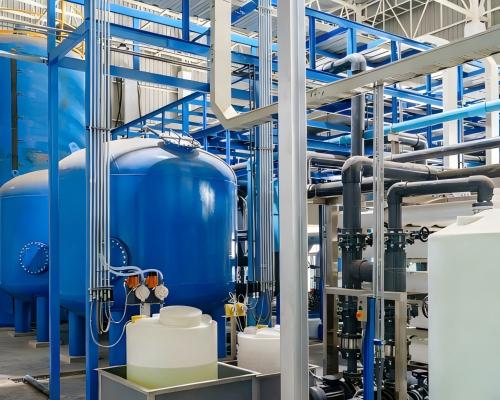
Sanyuan Biotechnology Launches Upgraded Erythritol Production Technology

Breakthroughs in food technology don’t often grab headlines, but they shape daily life as much as any new smartphone. The latest move from Sanyuan Biotechnology caught my attention for one simple reason: erythritol is everywhere, even if most people don’t realize it. This zero-calorie sweetener found its way into protein bars, soft drinks, baked goods, and even toothpaste. People looking to cut back on sugar or manage their blood sugar lean on erythritol for sweetening. Lately, I see it showing up in my own family’s kitchen, hidden in flavored yogurt or as a sidekick in diet sodas. With Sanyuan upgrading its production technology, we’re not just talking about corporate bragging rights—we’re looking at questions of safety, taste, and trust on a grand scale.The process behind erythritol turns plant sugars into this magic-tasting powder, usually through fermentation. What Sanyuan Biotechnology claims they’ve done is boost the efficiency of that process—increasing purity, reducing waste, and squeezing down on energy costs. For me, energy footprint ties directly to climate change, and any real step in shrinking industrial energy use counts. I grew up near a food plant, so I know factory emissions and chemical runoff don’t stay within legal lines; they drift into the community. By pushing for a cleaner process, Sanyuan isn’t just helping their own bottom line or investors—they’re offering communities near their facilities a better shot at clean air and water.Erythritol keeps winning over food makers because it tastes surprisingly close to sugar. Still, older batches often left a strange, cool aftertaste or gritty mouthfeel, and bakers had to work around those quirks. With new production techniques, quality usually gets a boost, meaning fewer off-flavors and a smoother result. People expect better flavor and fewer side effects—like the digestive issues some sweeteners cause—without thinking about what it takes to get there in the manufacturing pipeline. Sanyuan’s innovations here can mean better choices for people managing diabetes or watching calories. It’s a small upgrade on paper, but for parents buying groceries or businesses rolling out new snacks, small improvements make a real difference.No conversation about sweeteners skips over health debates. There’s real concern after some recent studies linked heavy consumption of certain sugar alcohols to heart risks. Nutrition science never sits still, and new findings urge a cautious approach. This is where E-E-A-T (Experience, Expertise, Authoritativeness, and Trust) from Google’s playbook comes into focus. Sanyuan’s push for improved clarity, documented research, and transparent ingredient sourcing feeds consumer trust—something earned only through consistency and openness. I have seen firsthand how a food recall or an exposed supply chain shortcut ruins reputations overnight. To build trust, companies need to partner with third-party labs, back up claims with published research, and open up about their sourcing and processing habits. Sanyuan’s push toward greener, more rigorously tested technology doesn’t guarantee perfection, but it moves in the right direction.Erythritol production in China, home to some of the world’s major sweetener factories, draws extra scrutiny from regulators and international customers. Any new production breakthrough, like Sanyuan’s, ripples through global supply chains. As someone who’s watched food safety scares and trade disputes upclose, I see companies must not only satisfy local officials, but also meet increasingly strict rules set by the US, Europe, and other importers. Traceability and transparency become just as important as chemical purity or price. A better process that can prove its environmental and food safety credentials might help Chinese producers shield themselves if another ingredient scandal erupts. Sanyuan, by taking this public step towards cleaner erythritol, signals confidence in its methods—a message as much for global food conglomerates as for mom-and-pop snack companies in Shanghai or Los Angeles.Food additives live at the edge of public scrutiny. Most people want safe, affordable products, but also care about animal testing, carbon emissions, and the hidden costs of mass production. My own choices at the grocery store pull from these concerns, even as price and taste come first. A sweetener made with less energy, less waste, and more openness about its ingredients stands up better to that growing scrutiny. Sanyuan’s move to refine and disclose its process looks like a smart way to stay relevant as consumers demand cleaner labels and stricter transparency. It makes sense for producers to take this trend seriously, appoint real teams for public engagement, publish independent analyses, and create clear, honest packaging. Customers want to know not just what’s in their food, but how it gets there. Companies that sidestep or delay these shifts risk falling behind or facing public backlash. The sweetener industry, once slow and hidden, is moving towards openness—and this shift benefits everyone who wants safer, better food on the table.

Shandong Sanyuan Attends International Food Ingredients Exhibition

People talk about food innovation all the time, usually using big words and corporate slogans, but seeing a company from Shandong step into the international spotlight catches my eye for different reasons. Companies in regions like Shandong work hard behind the scenes, far from global headquarters and flashy city offices. At these exhibitions, the world finally gets a chance to see what real effort looks like— not the bog-standard blend of PR spin, but hands-on solutions grown from years on the ground. Nobody just lands at international food shows on a whim. It takes guts to show up among giants, surrounded by established European and North American names. Sanyuan’s move signals how much China’s regional food industry has matured, pushing beyond low-value exports and basic commodified goods. This isn’t about rolling out copycat versions of Western ingredients. It’s about showing fresh ideas coming straight from local researchers and producers who know every step from farm to fork. That experience counts in a global market facing new food safety demands and consumers who care about where their ingredients come from.I’ve watched enough trade shows, both as a casual visitor and through relatives in agriculture, to know connections made on the floor matter more than glossy brochures. Sanyuan’s team, standing under harsh lights with real products instead of empty promises, shows a commitment to building trust face to face. Buyers want more than price lists or technical charts—they want to know how a supplier handles setbacks. The food industry rarely goes a month without a new supply chain scare or food safety alert, so companies standing tall on an open stage send a real message.This public entry means Shandong Sanyuan is ready for scrutiny. European buyers expect transparency on everything from supply sources to packaging details, and that’s worth more than any certification alone. China’s food producers face a perception gap, fueled by years of stories about adulteration or pollution. Showing up and answering tough questions, while shaking hands with peers from around the world, builds patience and credibility better than a website or a bunch of paid ads. Food safety is no longer a technical checklist; ordinary shoppers want facts about what’s in their meals. European buyers want food ingredients free from contaminants and made under strict controls. Sanyuan’s participation in this kind of event says they’re listening. If a company passes direct inspection from Finnish or German importers, they aren’t hiding anything. It’s a real chance to push past old stories and prove they’ve done their homework—installing modern traceability tools, cleaning up production lines, and meeting more rigid international standards.Looking at global food ingredient trends, buyers and consumers are asking about sustainability and environmental impact. Big importers, especially in Europe, ask questions about how much water gets used to make an ingredient, how local communities are treated, and whether any corners are cut in the rush to meet demand. Sanyuan has taken a step into a world where those questions land every day, not just at certification time.Growing up around small-town markets, I’ve seen how local producers often get squeezed out at the first sign of big competition. Events like this exhibition turn that dynamic around. By showing up at this level, Sanyuan is opening the door for other regional companies to aim higher. It’s not just about fame, either; partnerships formed at these events last, outliving even the flashiest new product. Sometimes, a handshake in a crowded booth leads to better deals for everyone in the supply chain—from Shandong farmers right up to big-city chefs.The pressure on global supply chains has everybody rethinking their networks. Market shocks, from trade disputes to pandemic snarls, force people to diversify and seek out new, reliable partners. If Sanyuan’s efforts pay off, they might become a stable link, easing the load on a system that’s been pulled in too many directions. Importers always look for suppliers who can offer not just reliability but also creative ways to solve problems, especially at a time when ingredient costs and shortages hit smaller buyers hardest.My own encounters with food regulations taught me that inspection and paperwork alone rarely tell the whole story. What matters is whether a company is willing to stand behind its quality every day, not just on stage. Sanyuan’s step into the international arena suggests their team is prepared for questions about everything from antibiotic residues to allergen controls. These questions aren’t going away, either. Food fraud and contamination stories fill news feeds, while everyday shoppers become skeptics, cross-checking ingredient lists with apps and websites.Chinese companies have faced a long path back to credibility in some markets. Taking direct questions and offering up traceable, tested products might slowly mend those bridges. It’s a two-way street, though: overseas buyers must also be open to new suppliers and avoid sticking to old prejudices. The more visibility regional Chinese producers gain, the stronger and safer global supply lines become.There’s always noise at food ingredient shows—marketing teams hand out glossy flyers and make big promises, but longevity in the global scene takes more than flashy displays. Sanyuan’s real test will be keeping up standards once the crowd leaves. Staying on top of paperwork, documentation, and consistent shipment quality builds trust far beyond the exhibition hall. In the last five years, I’ve seen too many companies in the food industry trip up because they stopped paying attention to details after landing a big client. Sanyuan—and anyone following in their footsteps—has to keep eyes open and ears to the ground, learning from feedback, real problems, and changing regulations.The International Food Ingredients Exhibition isn’t just a stage for showing off products; it's a checkpoint for the whole industry. Watching companies like Sanyuan push forward shows how competition is getting tougher, but also fairer, as new voices earn their place at the table. Real progress doesn’t come from a single flashy appearance, but in the willingness to prove, day after day, that good food starts with honest work and open conversation.

Shandong Sanyuan Holds Technical Exchange Conference for Customers

Shandong Sanyuan recently brought professionals from across its customer network together under one roof for a technical exchange conference. At first glance, these gatherings may sound routine, a round of PowerPoints and polite applause, but folks working in manufacturing and industrial development will recognize the value behind such events. My own years collaborating with engineers and plant managers have shown me again and again: face-to-face conversation trumps any marketing email or glossy brochure. Nothing compares to learning directly from people who’ve walked factory floors, fixed line breakdowns, solved real technical glitches, or put new ideas into play after hours of trial and error. In China’s rapidly changing industrial landscape, even longstanding partnerships benefit from pressing pause on day-to-day business to dig deeper into shared experience and current challenges. Shandong Sanyuan, by choosing to focus on technical exchange, signals a commitment to transparency and joint problem-solving instead of resting on its current market share.The strength of a technical conference lies in the stories that emerge. It’s not just about troubleshooting a mixer or automating a packaging line, but sharing what’s working—and what’s not—so others avoid the same headaches. One production manager’s headache with scaling up output could mirror what another company faces on the other side of the province. Hands-on sessions and open Q&As create a place to compare notes from recent upgrades, talk about wasted resources, and describe in detail how a new material, process, or piece of equipment actually performed under pressure. I’ve seen the lightbulb moments come not from a sales pitch but from off-the-cuff kitchen table storytelling over steaming bowls of noodles in the evening. Trust grows when companies set aside sales targets and talk shop without filters, where competitors become collaborators, if only for an afternoon.Every industry faces the same challenge—technology never slows down. Whether you’re making food ingredients, machinery parts, or fine chemicals, there’s always pressure to do things faster, cleaner, and cheaper. Yet investing in new equipment or software often comes with anxiety as teams wait to see whether those promises hold up to the real grind of production. Technical exchanges like the one hosted by Shandong Sanyuan cut through that tension. When engineers and technical staff see practical demonstrations and get candid feedback from those using a given solution daily, people leave the conference empowered to experiment rather than fearing mistakes. This approach matters now more than ever, as shortages, shifting regulations, and ambitious carbon reduction targets demand flexible thinking. I’ve noticed regular meetups between suppliers and end-users also shrink the learning curve that keeps new tech from gathering dust on the shelf.Strong conferences also help keep product safety and operational risk at the front of everyone’s mind. It’s one thing to hand a team a safety manual; it’s another to hear first-hand how a change in cleaning protocol actually cut down on contamination. Frontline stories highlight where paperwork can’t reach, making solutions stickier and more relevant—especially in sectors like food and pharmaceuticals, where public trust is won or lost in a single recall. Shandong Sanyuan’s willingness to host open sessions on plant safety and best practices protects not only its own reputation but the broader ecosystem that relies on stable, quality supply chains. Regular dialogue about failures as well as successes doesn’t weaken confidence; it creates a safety net for everyone from raw materials suppliers to end users at the supermarket.One area where some technical conferences miss the mark relates to follow-up. Enthusiasm runs high during the event, but as soon as teams return to their normal routines, lessons sometimes get lost. The best gatherings build ongoing channels for feedback and support. Shandong Sanyuan appears to understand that sustained improvement only happens when contacts made during workshops become reliable points for follow-up calls, troubleshooting, and even support for onsite visits when plans shift into action. I recall times when a quick text to a fellow participant led to answers that saved our factory days of downtime. Building a network of problem-solvers is invaluable for smaller companies, who rarely have their own in-house R&D powerhouses but need to move quickly to keep up with larger rivals. Long-term, these connections foster resilience not just for individual businesses but for the sector as a whole.Technical exchanges offer a glimpse into the future. At each session, I’ve seen fresh hires straight out of university sit alongside veteran ops managers, both learning different lessons from the same equipment demonstration. Those moments drive home how cross-generational learning makes everyone sharper. By inviting customers and partners to join in technical debate rather than dictating top-down policies, Shandong Sanyuan demonstrates an openness that reflects its respect for professional expertise at every level. Young engineers bring fresh perspectives and digital skills, while older technicians share war stories that new software alone can’t teach. With talent shortages hitting industry after industry, that blend of know-how and curiosity lays the groundwork for future leadership and faster adaptation to emerging challenges.Practical cooperation sits at the core of every strong supplier-client relationship. The real gift of a technical exchange is not just the sharing of machines and processes, but the forging of durable human connections. My own experience shows me that companies willing to pull back the curtain reap rewards in reliability, loyalty, and fresh ideas. Shandong Sanyuan’s example will no doubt encourage others in the industry to focus less on sales one-upmanship and more on building skill and trust. In a time when the next disruption may be around the corner, it is face-to-face dialogue and mutual troubleshooting that keep factories running and innovation alive. Real progress doesn’t happen in a vacuum; it takes a workshop full of sharp minds, honest feedback, and the courage to ask better questions.