
Sanyuan Biotechnology Launches Upgraded Erythritol Production Technology

 Breakthroughs in food technology don’t often grab headlines, but they shape daily life as much as any new smartphone. The latest move from Sanyuan Biotechnology caught my attention for one simple reason: erythritol is everywhere, even if most people don’t realize it. This zero-calorie sweetener found its way into protein bars, soft drinks, baked goods, and even toothpaste. People looking to cut back on sugar or manage their blood sugar lean on erythritol for sweetening. Lately, I see it showing up in my own family’s kitchen, hidden in flavored yogurt or as a sidekick in diet sodas. With Sanyuan upgrading its production technology, we’re not just talking about corporate bragging rights—we’re looking at questions of safety, taste, and trust on a grand scale.  The process behind erythritol turns plant sugars into this magic-tasting powder, usually through fermentation. What Sanyuan Biotechnology claims they’ve done is boost the efficiency of that process—increasing purity, reducing waste, and squeezing down on energy costs. For me, energy footprint ties directly to climate change, and any real step in shrinking industrial energy use counts. I grew up near a food plant, so I know factory emissions and chemical runoff don’t stay within legal lines; they drift into the community. By pushing for a cleaner process, Sanyuan isn’t just helping their own bottom line or investors—they’re offering communities near their facilities a better shot at clean air and water.  Erythritol keeps winning over food makers because it tastes surprisingly close to sugar. Still, older batches often left a strange, cool aftertaste or gritty mouthfeel, and bakers had to work around those quirks. With new production techniques, quality usually gets a boost, meaning fewer off-flavors and a smoother result. People expect better flavor and fewer side effects—like the digestive issues some sweeteners cause—without thinking about what it takes to get there in the manufacturing pipeline. Sanyuan’s innovations here can mean better choices for people managing diabetes or watching calories. It’s a small upgrade on paper, but for parents buying groceries or businesses rolling out new snacks, small improvements make a real difference.  No conversation about sweeteners skips over health debates. There’s real concern after some recent studies linked heavy consumption of certain sugar alcohols to heart risks. Nutrition science never sits still, and new findings urge a cautious approach. This is where E-E-A-T (Experience, Expertise, Authoritativeness, and Trust) from Google’s playbook comes into focus. Sanyuan’s push for improved clarity, documented research, and transparent ingredient sourcing feeds consumer trust—something earned only through consistency and openness. I have seen firsthand how a food recall or an exposed supply chain shortcut ruins reputations overnight. To build trust, companies need to partner with third-party labs, back up claims with published research, and open up about their sourcing and processing habits. Sanyuan’s push toward greener, more rigorously tested technology doesn’t guarantee perfection, but it moves in the right direction.  Erythritol production in China, home to some of the world’s major sweetener factories, draws extra scrutiny from regulators and international customers. Any new production breakthrough, like Sanyuan’s, ripples through global supply chains. As someone who’s watched food safety scares and trade disputes upclose, I see companies must not only satisfy local officials, but also meet increasingly strict rules set by the US, Europe, and other importers. Traceability and transparency become just as important as chemical purity or price. A better process that can prove its environmental and food safety credentials might help Chinese producers shield themselves if another ingredient scandal erupts. Sanyuan, by taking this public step towards cleaner erythritol, signals confidence in its methods—a message as much for global food conglomerates as for mom-and-pop snack companies in Shanghai or Los Angeles.  Food additives live at the edge of public scrutiny. Most people want safe, affordable products, but also care about animal testing, carbon emissions, and the hidden costs of mass production. My own choices at the grocery store pull from these concerns, even as price and taste come first. A sweetener made with less energy, less waste, and more openness about its ingredients stands up better to that growing scrutiny. Sanyuan’s move to refine and disclose its process looks like a smart way to stay relevant as consumers demand cleaner labels and stricter transparency. It makes sense for producers to take this trend seriously, appoint real teams for public engagement, publish independent analyses, and create clear, honest packaging. Customers want to know not just what’s in their food, but how it gets there. Companies that sidestep or delay these shifts risk falling behind or facing public backlash. The sweetener industry, once slow and hidden, is moving towards openness—and this shift benefits everyone who wants safer, better food on the table.Mobile: +8615380400285E-mail: sales2@boxa-chem.comWebsite: www.sanyuan-biotechnology.com

Shandong Sanyuan Attends International Food Ingredients Exhibition

 People talk about food innovation all the time, usually using big words and corporate slogans, but seeing a company from Shandong step into the international spotlight catches my eye for different reasons. Companies in regions like Shandong work hard behind the scenes, far from global headquarters and flashy city offices. At these exhibitions, the world finally gets a chance to see what real effort looks like— not the bog-standard blend of PR spin, but hands-on solutions grown from years on the ground.  Nobody just lands at international food shows on a whim. It takes guts to show up among giants, surrounded by established European and North American names. Sanyuan’s move signals how much China’s regional food industry has matured, pushing beyond low-value exports and basic commodified goods. This isn’t about rolling out copycat versions of Western ingredients. It’s about showing fresh ideas coming straight from local researchers and producers who know every step from farm to fork. That experience counts in a global market facing new food safety demands and consumers who care about where their ingredients come from.  I’ve watched enough trade shows, both as a casual visitor and through relatives in agriculture, to know connections made on the floor matter more than glossy brochures. Sanyuan’s team, standing under harsh lights with real products instead of empty promises, shows a commitment to building trust face to face. Buyers want more than price lists or technical charts—they want to know how a supplier handles setbacks. The food industry rarely goes a month without a new supply chain scare or food safety alert, so companies standing tall on an open stage send a real message. This public entry means Shandong Sanyuan is ready for scrutiny. European buyers expect transparency on everything from supply sources to packaging details, and that’s worth more than any certification alone. China’s food producers face a perception gap, fueled by years of stories about adulteration or pollution. Showing up and answering tough questions, while shaking hands with peers from around the world, builds patience and credibility better than a website or a bunch of paid ads.   Food safety is no longer a technical checklist; ordinary shoppers want facts about what’s in their meals. European buyers want food ingredients free from contaminants and made under strict controls. Sanyuan’s participation in this kind of event says they’re listening. If a company passes direct inspection from Finnish or German importers, they aren’t hiding anything. It’s a real chance to push past old stories and prove they’ve done their homework—installing modern traceability tools, cleaning up production lines, and meeting more rigid international standards. Looking at global food ingredient trends, buyers and consumers are asking about sustainability and environmental impact. Big importers, especially in Europe, ask questions about how much water gets used to make an ingredient, how local communities are treated, and whether any corners are cut in the rush to meet demand. Sanyuan has taken a step into a world where those questions land every day, not just at certification time.  Growing up around small-town markets, I’ve seen how local producers often get squeezed out at the first sign of big competition. Events like this exhibition turn that dynamic around. By showing up at this level, Sanyuan is opening the door for other regional companies to aim higher. It’s not just about fame, either; partnerships formed at these events last, outliving even the flashiest new product. Sometimes, a handshake in a crowded booth leads to better deals for everyone in the supply chain—from Shandong farmers right up to big-city chefs. The pressure on global supply chains has everybody rethinking their networks. Market shocks, from trade disputes to pandemic snarls, force people to diversify and seek out new, reliable partners. If Sanyuan’s efforts pay off, they might become a stable link, easing the load on a system that’s been pulled in too many directions. Importers always look for suppliers who can offer not just reliability but also creative ways to solve problems, especially at a time when ingredient costs and shortages hit smaller buyers hardest.  My own encounters with food regulations taught me that inspection and paperwork alone rarely tell the whole story. What matters is whether a company is willing to stand behind its quality every day, not just on stage. Sanyuan’s step into the international arena suggests their team is prepared for questions about everything from antibiotic residues to allergen controls. These questions aren’t going away, either. Food fraud and contamination stories fill news feeds, while everyday shoppers become skeptics, cross-checking ingredient lists with apps and websites. Chinese companies have faced a long path back to credibility in some markets. Taking direct questions and offering up traceable, tested products might slowly mend those bridges. It’s a two-way street, though: overseas buyers must also be open to new suppliers and avoid sticking to old prejudices. The more visibility regional Chinese producers gain, the stronger and safer global supply lines become.  There’s always noise at food ingredient shows—marketing teams hand out glossy flyers and make big promises, but longevity in the global scene takes more than flashy displays. Sanyuan’s real test will be keeping up standards once the crowd leaves. Staying on top of paperwork, documentation, and consistent shipment quality builds trust far beyond the exhibition hall. In the last five years, I’ve seen too many companies in the food industry trip up because they stopped paying attention to details after landing a big client. Sanyuan—and anyone following in their footsteps—has to keep eyes open and ears to the ground, learning from feedback, real problems, and changing regulations. The International Food Ingredients Exhibition isn’t just a stage for showing off products; it's a checkpoint for the whole industry. Watching companies like Sanyuan push forward shows how competition is getting tougher, but also fairer, as new voices earn their place at the table. Real progress doesn’t come from a single flashy appearance, but in the willingness to prove, day after day, that good food starts with honest work and open conversation. Mobile: +8615380400285E-mail: sales2@boxa-chem.comWebsite: www.sanyuan-biotechnology.com

Shandong Sanyuan Holds Technical Exchange Conference for Customers

Shandong Sanyuan recently brought professionals from across its customer network together under one roof for a technical exchange conference. At first glance, these gatherings may sound routine, a round of PowerPoints and polite applause, but folks working in manufacturing and industrial development will recognize the value behind such events. My own years collaborating with engineers and plant managers have shown me again and again: face-to-face conversation trumps any marketing email or glossy brochure. Nothing compares to learning directly from people who’ve walked factory floors, fixed line breakdowns, solved real technical glitches, or put new ideas into play after hours of trial and error. In China’s rapidly changing industrial landscape, even longstanding partnerships benefit from pressing pause on day-to-day business to dig deeper into shared experience and current challenges. Shandong Sanyuan, by choosing to focus on technical exchange, signals a commitment to transparency and joint problem-solving instead of resting on its current market share.  The strength of a technical conference lies in the stories that emerge. It’s not just about troubleshooting a mixer or automating a packaging line, but sharing what’s working—and what’s not—so others avoid the same headaches. One production manager’s headache with scaling up output could mirror what another company faces on the other side of the province. Hands-on sessions and open Q&As create a place to compare notes from recent upgrades, talk about wasted resources, and describe in detail how a new material, process, or piece of equipment actually performed under pressure. I’ve seen the lightbulb moments come not from a sales pitch but from off-the-cuff kitchen table storytelling over steaming bowls of noodles in the evening. Trust grows when companies set aside sales targets and talk shop without filters, where competitors become collaborators, if only for an afternoon.  Every industry faces the same challenge—technology never slows down. Whether you’re making food ingredients, machinery parts, or fine chemicals, there’s always pressure to do things faster, cleaner, and cheaper. Yet investing in new equipment or software often comes with anxiety as teams wait to see whether those promises hold up to the real grind of production. Technical exchanges like the one hosted by Shandong Sanyuan cut through that tension. When engineers and technical staff see practical demonstrations and get candid feedback from those using a given solution daily, people leave the conference empowered to experiment rather than fearing mistakes. This approach matters now more than ever, as shortages, shifting regulations, and ambitious carbon reduction targets demand flexible thinking. I’ve noticed regular meetups between suppliers and end-users also shrink the learning curve that keeps new tech from gathering dust on the shelf.  Strong conferences also help keep product safety and operational risk at the front of everyone’s mind. It’s one thing to hand a team a safety manual; it’s another to hear first-hand how a change in cleaning protocol actually cut down on contamination. Frontline stories highlight where paperwork can’t reach, making solutions stickier and more relevant—especially in sectors like food and pharmaceuticals, where public trust is won or lost in a single recall. Shandong Sanyuan’s willingness to host open sessions on plant safety and best practices protects not only its own reputation but the broader ecosystem that relies on stable, quality supply chains. Regular dialogue about failures as well as successes doesn’t weaken confidence; it creates a safety net for everyone from raw materials suppliers to end users at the supermarket.  One area where some technical conferences miss the mark relates to follow-up. Enthusiasm runs high during the event, but as soon as teams return to their normal routines, lessons sometimes get lost. The best gatherings build ongoing channels for feedback and support. Shandong Sanyuan appears to understand that sustained improvement only happens when contacts made during workshops become reliable points for follow-up calls, troubleshooting, and even support for onsite visits when plans shift into action. I recall times when a quick text to a fellow participant led to answers that saved our factory days of downtime. Building a network of problem-solvers is invaluable for smaller companies, who rarely have their own in-house R&D powerhouses but need to move quickly to keep up with larger rivals. Long-term, these connections foster resilience not just for individual businesses but for the sector as a whole.  Technical exchanges offer a glimpse into the future. At each session, I’ve seen fresh hires straight out of university sit alongside veteran ops managers, both learning different lessons from the same equipment demonstration. Those moments drive home how cross-generational learning makes everyone sharper. By inviting customers and partners to join in technical debate rather than dictating top-down policies, Shandong Sanyuan demonstrates an openness that reflects its respect for professional expertise at every level. Young engineers bring fresh perspectives and digital skills, while older technicians share war stories that new software alone can’t teach. With talent shortages hitting industry after industry, that blend of know-how and curiosity lays the groundwork for future leadership and faster adaptation to emerging challenges.  Practical cooperation sits at the core of every strong supplier-client relationship. The real gift of a technical exchange is not just the sharing of machines and processes, but the forging of durable human connections. My own experience shows me that companies willing to pull back the curtain reap rewards in reliability, loyalty, and fresh ideas. Shandong Sanyuan’s example will no doubt encourage others in the industry to focus less on sales one-upmanship and more on building skill and trust. In a time when the next disruption may be around the corner, it is face-to-face dialogue and mutual troubleshooting that keep factories running and innovation alive. Real progress doesn’t happen in a vacuum; it takes a workshop full of sharp minds, honest feedback, and the courage to ask better questions. Mobile: +8615380400285E-mail: sales2@boxa-chem.comWebsite: www.sanyuan-biotechnology.com

Shandong Sanyuan Biotechnology Co Ltd Expands Global Sweetener Market

 Sugar alternatives started as a niche product for diabetics and calorie counters. Now, almost every beverage aisle, bakery, and food label flashes some non-sugar sweetener. Shandong Sanyuan Biotechnology Co Ltd, rising from China’s heartland, has thrown its full weight behind this booming craze. The company’s aggressive expansion into the global sweetener market marks a shift not just for its business, but also for how people across continents will experience food. I've spent years watching food trends, and it’s clear: when a company from a technologically ambitious country jumps into the race, established players watch their backs. Sanyuan’s sweeteners pop up in bottles, cans, and packages from Mumbai to Madrid. They aren't the first out of China, but the scale they chase means shoppers and manufacturers won't ignore them.  Shoppers have grown cautious with food additives. The world witnessed headlines about tainted products and recalls causing panic. So, trust starts with the source. Sanyuan’s journey highlights how global companies have to play by tougher safety and transparency rules. Markets in North America and Europe inspect every ingredient, every claim. I’ve felt the skeptic eye myself, raising eyebrows at unpronounceable additives. That’s why companies like Sanyuan invest in quality controls, third-party certifications, and public safety records. They need more than government stamps; they need approval from nutritionists, watchdog groups, and health-conscious parents. If a sweetener fails a residue test or slips up with labeling, it takes years to rebuild credibility. Sanyuan is pouring funds into R&D labs and compliance departments. For them, passing scrutiny is non-negotiable.  Consumers have taken charge in deciding which ingredients fill their plates and cups. Artificial sweeteners have been under fire in western media for years. Aspartame, saccharin, and even stevia find themselves debated in coffee shops and courtrooms alike. Some people want zero calories; others want “clean label” foods free from synthetic additives. Shandong Sanyuan adapts by pushing plant-based, low-glycemic index sweeteners—options many view as “better-for-you.” I remember talking with a dietitian last year, who shrugged when asked about “natural” versus “synthetic,” focusing instead on moderation and clear science. Smart companies listen to voices like hers, investing in education campaigns and funding transparency projects to narrow the trust gap. Brands that support research over marketing fluff earn lasting loyalty.  Sweetener manufacturing isn’t just about chemistry; it’s about logistics, agriculture, and labor. Sanyuan’s expansion brings cash into local farming communities who grow the raw plants, especially corn and specialty crops like stevia and monk fruit. Factories pop up, training programs roll out, and small towns see new infrastructure. As someone who’s toured food processing plants, I know how these changes mean families gain steady paychecks. But big growth isn’t always a free pass. Rapid scaling sometimes means stress on water supplies and pollution worries, especially in dense industrial areas. Addressing these headaches demands open channels with regional regulators and proactive investments in cleaner production methods. Only through ongoing dialogue with local governments, farmers, and environmental groups can companies find a balance between profits and impact.  Nobody enters the global sweetener market alone. American, European, and Southeast Asian giants play a sharp-elbowed game, patenting new molecules and launching aggressive ad campaigns. Sanyuan faces these rivals everywhere it goes, and it’s forced to innovate to stay in contention. The smartest moves come from listening. Multinational teams, new production lines, and test kitchens working round the clock help them meet shifting demands. I once sat down with a food technologist who joked that flavor chemistry “moves faster than fashion.” Customers want sweeter, less bitter, less chemical-tasting options. The race is on to crank out sweeteners that disappear on the tongue just like table sugar, but without the baggage. Only those who listen to chefs, scientists, and—most importantly—consumers will keep their seat at the table.  As sugar substitutes claim more shelf space, there’s a real need for unbiased research and honest labeling. Misinformation spreads quickly, turning people against safe products or feeding hype about miracle solutions. Sanyuan and companies like it can help set the record straight by funding independent research and working with trusted health organizations. Nutrition facts, not buzzwords, should guide choices. Schools and community groups need resources to help parents and kids make smart decisions. Public discussions should focus on balancing taste, health, and real-world habits. This industry isn’t going away. As Sanyuan’s reach grows, the responsibility rests with everyone—manufacturers, regulators, and shoppers—to demand facts and fairness, not just flavor. Mobile: +8615380400285E-mail: sales2@boxa-chem.comWebsite: www.sanyuan-biotechnology.com

Shandong Sanyuan Biotechnology Promotes Green Production Solutions

 Sustainable production sounds like a buzzword, but for companies like Shandong Sanyuan Biotechnology, it stands for real action. Years ago on plant tours, thick air and pungent runoff marked the price of chemical efficiency. Times changed. Today, there’s a new set of expectations coming out of China’s workshops—keep profits up, cut emissions, and stop flooding rivers with chemical waste. For businesses glued to tradition, that’s a tall order. Sanyuan chose a different road. They didn’t just tweak old formulas—they invested in clean process technology, swapped fossil-based chemicals for renewable sugars and grains, and paid engineers to zip-tie the environmental footprint of biomanufacturing. Whenever I walked through a plant where sensors tracked emissions, recycling units hummed, and workers actually bragged about lower waste streams, I saw a team that wasn’t just greenwashing. They hustled to turn regulatory pressure into a chance for real industry leadership.  This isn’t just a matter of pride. Data from the last few years makes the stakes clear. Shandong province runs on agriculture and industry side by side, which often puts green policy into direct conflict with jobs. Rural communities, who rely on clean water for crops, have seen what it means when run-off from local plants poisons a season’s rice harvest. Knowing those risks, Sanyuan’s management decided early on to connect their environmental targets to ground-level results. Switching over to cleaner enzymes and fermenters doesn’t just cut down on pollutants—it means fewer complaints from locals and fewer headaches about fines for noncompliance. That blend of bottom-line sense and respect for the common good shows a company with its head in the present, not just the quarterly report.  I remember hearing a technician explain how their upgraded system worked: less water wasted, more product pulled from each batch, and no piles of hazardous byproduct left behind. EPA pressure isn’t the only thing forcing these changes. Demand from global buyers is shifting. European customers in particular have grown wary of suppliers with a bad reputation—if a batch of ingredients comes from a dirty plant, it risks getting flagged or outright rejected. Even domestic Chinese consumers care how their food additives and sweeteners are made. Parents shopping for snacks and drinks for their kids don’t want to think about industrial waste swirling somewhere upstream.  Transforming from business-as-usual to green production takes more than press releases. Companies end up swallowing extra upfront costs for greener infrastructure, and convincing local suppliers to change habits can get tricky. Not every green label guarantees a revolution backstage. Plenty of organizations slap pursuit-of-sustainability on websites while ignoring the hard tradeoffs: shutting down high-pollution operations, retraining staff, and accepting slower returns while improvements pay off. For Sanyuan, those challenges showed up in investment rounds and in heated talks with suppliers locked into shortcuts. Some long-timers worried about job losses, but Sanyuan answered that risk with training and steady pay, letting workers join the upgrade plans instead of fighting them. That practical approach kept morale steady and actually sharpened overall efficiency. From what I’ve seen, these sorts of deals—bringing workers into the process—make a bigger difference than any bit of imported equipment.  Where top-down regulations fall flat, transparency and community oversight pick up the slack. Sanyuan experimented with regular open days and plant updates. By breaking down emissions charts and production numbers so non-experts could follow the changes, they invited locals into the process rather than hiding behind a fence. That mentality sends a message: cleaner production isn’t just about pleasing bureaucrats or winning clean company prizes, but about earning trust from a community that sees and lives with every decision. In the villages around their plants, this approach created natural watchdogs. Residents looked for signs that air and water stayed clear, knowing how things used to be. Those watchdogs tell you if a policy works long before any official report lands.  Stubborn problems remain for any firm aiming for real sustainability. Cleaner energy inputs cost more, and the push to scale up bio-based chemicals means betting on new science. But companies like Sanyuan show that these costs shrink when shared across more buyers and more plants. By opening up successful blueprints, these pioneers can nudge others in the industry to join the shift, cutting start-up hurdles for rivals who follow their example. Sharing best practices—through visits, reports, or joint projects—turns green improvements into an industry standard, not just a boast on corporate brochures.  Decades spent watching supply chains taught me this: sustainability pays off two ways, in local goodwill and in long-term business survival. Sanyuan’s work marks a necessary pivot for China’s industrial heartland. It’s not a slick PR move, but a practical answer to mounting evidence that customers, regulators, and neighbors demand better. Raising the bar for environmental responsibility calls for grit, investment, and a willingness to consider outcomes that don’t show up right away on a balance sheet. In a landscape of tight margins and harder scrutiny, companies that put in the work to clean up production won’t just avoid fines—they’ll land contracts from buyers who see a partner, not a risk. Watching Sanyuan stand up to these tests gives hope that big change is not just possible but already taking root under real-world conditions. Mobile: +8615380400285E-mail: sales2@boxa-chem.comWebsite: www.sanyuan-biotechnology.com
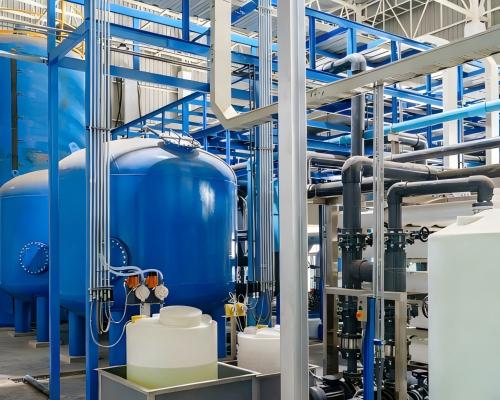
Shandong Sanyuan Achieves Breakthrough in Fermentation Technology

 Fermentation feels like the sort of process that belongs in a kitchen or a brewery, tucked away in a tank where yeast tries its best to transform sugar into alcohol. Truth is, in factories and research labs, fermentation runs far deeper. Shandong Sanyuan’s recent breakthrough deserves real attention, not just from scientists, but from anyone who cares about where their food or medicine comes from, and the way technology shapes the stuff we rely on every day. Improvements in fermentation might sound dry, but behind the jargon, there’s real change taking root. I’ve watched enough of these headlines over the years to know that a quiet step in one factory can ripple out and reshape markets. Cutting-edge fermentation can push costs down, clear out old bottlenecks, and even lower pollution. That has a real impact on shelves, on farmers, and on the air we all breathe.  Up to now, fermentation has trudged along with a set of problems every industry insider knows by heart: slow growth, unpredictable yields, energy wasted every step of the way. It takes a lot to nudge microorganisms from one state to another on command, at scale, without winding up with a batch of off flavors, mold, or waste product that’s tricky to handle. Sanyuan’s new process cuts through a few of those headaches. By dialing in better control over temperature, oxygen, and the tricky balancing act within their bioreactors, they’ve pushed the limits of what microbes can do. Reports from the company paint a picture of faster turnaround, fewer oddball batches, and a final product that looks cleaner and more consistent. I remember talking to factory technicians who used to lose sleep over batches that veered wildly off course at the last minute. Years ago, I watched a team dump tanks of spoiled broth—a month’s work lost. Better process control changes the equation, and peace of mind matters just as much as any cost sheet.  Many people don’t realize fermentation’s role stretches far beyond food. It touches pharmaceuticals, animal feed, crop protection, even the textiles and scents we take for granted. Each one of these industries goes home with bags of byproduct and wastewater. More efficient and predictable fermentation means less waste, fewer failed batches, and lower power bills. That’s a win for factories trying to keep costs in check, and a win for the neighborhoods living downwind from smokestacks. With climate pressures piling up—drought, smog, unpredictable harvests—everyone has a stake in turning biological processes from pollution sources into something cleaner. Innovations like Sanyuan’s don’t win flashy awards, but they turn big levers behind the scenes. I’ve seen how “invisible” improvements can ripple through the supply chain in a hurry, slashing resource waste. Multiple studies have shown that fine-tuning fermentation’s control parameters leads to measurable drops in water and energy use per kilogram of output.  Let’s not gloss over the personal side. For growers who supply fermentation feedstock—whether corn, beets, or molasses—process shifts upstream have real effects. If companies like Sanyuan can coax more product out of every ton of input, farmers see steadier demand, not the frantic last-minute calls that used to be common when old processes faltered. For the end customer, whether someone buying animal feed or specialty ingredients for a health product, steady supply and lower contamination risks translate to food that is more affordable and more predictable. During the pandemic, global supply chains flexed and sometimes snapped under pressure. Reliable tech in upstream processing turned into a lifeline. Sanyuan’s leap gives the kind of resilience we never truly appreciate until something goes wrong.  In the world of fermentation, controlling stray microbes or off-flavors can be a never-ending headache. Advances in automation and monitoring take away much of the guesswork, keeping the process cleaner and safer. For years, even the most experienced technicians relied on “gut feel” and last-minute sniff tests to catch problems. Now, with tighter data loops and smarter sensors, there’s far less room for error or contamination. Food safety scandals in China’s past left scars on the industry and public trust. Every improvement helps close the gap between raw material and finished product, cutting down on recalls and boosting confidence in what lands on the table. From my own years reporting on food safety stories, customer trust can vanish in a moment and takes years to rebuild. Robust processes matter for everyone who eats food from a box, takes medicine, or feeds an animal.  China’s position in the global fermentation market gets stronger with each efficiency gain. Better output, lower costs, and steady supply help Chinese suppliers bite off larger shares of the international pie. Companies that nail reliability also attract new partners, and those deals spill over into regions far from Shandong, carrying with them the footprints of local ingenuity. At trade fairs and industry meetings, buyers look for suppliers who can promise scale without slip-ups or shortages. In the long run, small process breakthroughs spark larger cycles of trust, investment, and global reach. This is no small thing for a global economy looking for stability at a time when trade tensions and climate changes keep throwing curveballs.  Even as Sanyuan and its peers march forward, not everything can be solved by technology. Introducing a new process calls for hands-on training, upgrades to existing equipment, and patience from management. Older staff, used to doing things the old way, may bristle at change or mistrust digital dashboards. From visits and interviews around factories, I’ve learned the learning curve can be steep. Technical talent remains in short supply, especially outside big city centers. The best technology won’t fix shortages in skilled labor or patchy infrastructure. Regulatory bodies watch these developments with both hope and suspicion, pushing companies to prove new methods work at scale without unintended side effects. Past cases in biotech have shown that overpromising can hurt credibility. Careful rollout and honest reporting matter more than ever.  Nothing in fermentation stands still. Today’s big leap becomes tomorrow’s industry standard, sending companies scrambling to keep up or push ahead. Sanyuan’s breakthrough shows that attention to process detail, smart investment, and a willingness to rethink old habits pay off. The spread of these gains across more cities and provinces could lift entire supply chains. Seeing these changes from the ground up reminds me that technical progress often starts out invisible, in the small choices and stubborn hours spent keeping a tank humming late into the night. The real winners are everyone who values safer food, more sustainable factory processes, and a growing pool of skilled local talent ready to take biotechnology to the next level. Mobile: +8615380400285E-mail: sales2@boxa-chem.comWebsite: www.sanyuan-biotechnology.com
